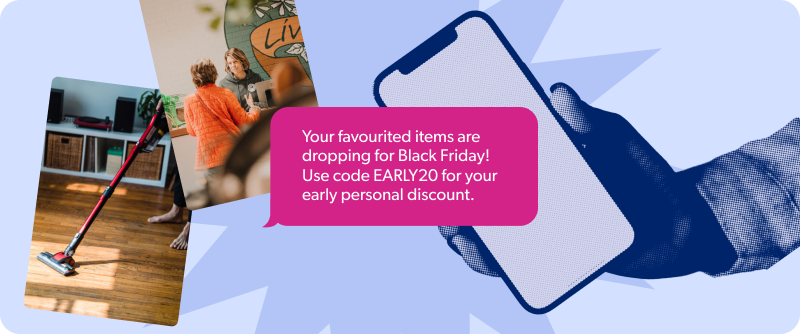
My hoover is slowly-but-surely breaking, and before I’ve even thought about replacing it, a voice in my head says just wait for Black Friday.
I didn’t check a single sale or compare a single price. I just assumed that buying anything in October or early November would be silly because a discount is almost definitely coming. The slight issue is that Black Friday used to be a single Friday. Now it’s a fog that can roll in from mid-October and not lift until the first week of December, depending on the retailer. We’re all left guessing what the ‘optimum’ time to buy is, and it’s not very fun anymore.
What does ‘I’ll just wait for the sale’ cost retailers?
When a customer assumes a discount is coming, it’s possible that they delay a purchase they actually need right now, or they buy anyway and quietly resent it when the price drops a fortnight later. Neither outcome is great for the brand. The first costs you a sale today, while the second costs you trust for the future.
That resentment doesn’t stay quiet for long. It becomes the reason someone reads every email with suspicion, waits an extra week ‘just in case’ next time, or tells a friend ‘don’t buy from them until the sales.’ Once a customer feels like they’ve been done dirty, the relationship shifts from buying when I need something to buying only when I’m sure I won’t be punished for it.
What if retailers told customers when prices will actually drop?
What if retailers told customers when a genuine reduction was coming? Not a vague ‘sales coming soon’ banner, but something specific. ‘This item typically drops in price around [date]. If you want to wait, we’ll tell you the moment it does’, kind thing. This also presents the chance for opt-ins and data segmentation.
The obvious objection is that this kills short-term sales. Why would anyone buy today if they know a fair price is three weeks away? And maybe some purchases would be delayed. But I guess retail has always accepted short-term trade-offs for long-term gain; that’s the usual logic behind loyalty schemes, price-match guarantees, and free returns. Honesty about timing is a newer version of the same thing, where you take the plunge and see what happens.
People don’t just want low prices. They want to feel like the price they paid was fair, and that the brand wasn’t quietly waiting for them to overpay before revealing the ‘real’ price. A retailer that tells you the truth upfront, even when the truth costs them a sale, is a retailer people talk about, return to, and recommend. Trust is one of the few things left that discounting alone can’t buy.
Let customers bookmark the items they’re waiting on

Here’s a thought. Could you let customers bookmark the item they’re saving? Instead of leaving people to set a calendar reminder or repeatedly check back, give them a one-tap way to say I want this, tell me when it’s reduced. The retailer keeps the sale in pipeline. and the customer stops feeling like they have to gamble on timing.
Why should price-drop alerts go by text?
My personal inbox and my work inbox are both already overflowing. Marketing emails, newsletters, ‘last chance’ subject lines that have cried wolf more times than a DFS sale. Even a genuinely useful update, like a real price drop on a bookmarked item, gets buried the moment it lands in an inbox that’s already drowning.
A text doesn’t have that problem. It’s short. It’s read within minutes, not days. It doesn’t have a ‘promotion’ folder to hide in. If the entire value of this idea rests on the customer finding out the moment their item drops in price, the channel has to match that promise. One clear SMS, such as ‘the item you bookmarked is now reduced’, delivers exactly the clarity the whole strategy depends on. The channel fits it so well because the message is clear and you’re telling them directly about a product they’ve likely been waiting for. There’s nothing vague about that at all.
What does ‘wait for Black Friday’ really mean now?
‘Wait for Black Friday’ isn’t really about Black Friday anymore. It’s shorthand for a much bigger shift in how people shop, with a growing assumption that retailers are hiding the good price from them until it’s convenient. Brands that get ahead of that assumption by being upfront about timing, giving customers a simple way to wait without losing out, and delivering that update through a channel that actually reaches the, are avoiding a customer’s resentment. They’re also building the kind of trust that turns a one-off purchase into a long-term relationship.
At a time when everyone’s inbox is full and everyone’s patience is thin, honesty delivered clearly might be the most underrated sales tactic retailers have left.
