
Choosing an SMS service provider should be straightforward. But once you start looking, you’ll find a sea of options that all seem to offer the same thing. From working in this space, here’s the differences that I notice that actually matter (and that rarely show up on a pricing page), so you can spot what separates a genuinely good provider from one that’ll frustrate you six months down the line.
A side note: This isn’t a feature comparison table, so I’m not going to declare a winner (that would be biased). This is more about the questions worth asking, and the ones that people don’t think to ask when trying to find the right fit for your business.
Will your messages actually arrive?
The whole point of an SMS is that it arrives. Yet deliverability varies wildly between SMS service providers, and the headline stats on a pricing page won’t always tell you the reality. The reason for this varies; SMS providers differ in which carrier networks they connect to directly, and whether they route messages through aggregators or via direct connections, which can significantly affect reliability.
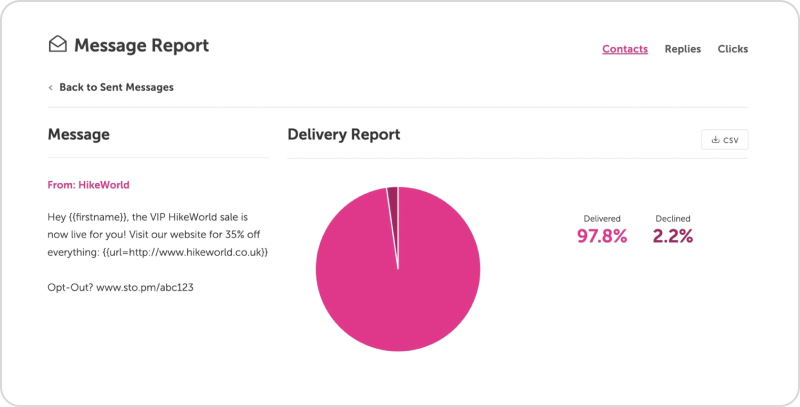
Ask any provider you’re considering: what are your direct network connections in the UK? How do you measure and report delivery rates? What happens when a message fails? Are there clear delivery statuses that you can see? There is no ‘benchmark’ on the right deliverability (it’s very normal not to see 100% like this status breakdown shows), as just like emails, deliverability is only as good as the data. But when the data is good (e.g. numbers are valid) and it’s still looking poor, that’s when it’s worth really digging into.
If a provider can’t answer those questions clearly, that tells you something before you’ve spent a penny.
Could a cheaper provider end up costing more?
Pricing is where things get murky. Per-message costs vary, and the lowest headline rate doesn’t always mean the lowest actual cost. Watch out for monthly platform fees, charges for inbound messages, or credits that expire. Some providers also charge extra for things like delivery reports or dedicated sender IDs – features that are just a given really.
It’s worth doing the maths on what you’d actually spend based on your real usage. A provider that charges slightly more per message but has no setup fees, no monthly minimums, and includes reporting might end up cheaper overall. Same case with the support – if there is free, good support as standard, then it’s worth it.
Does the platform get out of your way?
I use our platform almost every working day, so this point matters more than most people expect. SMS is supposed to be a fast, direct channel. If the platform you’re using makes it slow or complicated to send a message (and for some reason, this is quite a common trait in the SMS provider landscape), it just gets in the way. You want something you can jump into and get moving, not something that needs a tutorial every time you do something slightly different.
I’d always recommend getting a trial before committing. Most providers offer one. Try building a campaign, uploading a contact list, checking the reports. You’ll get a feel for whether it works for how you actually think.

Something else that matters is easy-to-see reporting. Good delivery reports are something I’d miss immediately if they disappeared. Knowing exactly what happened to every message you send is genuinely useful, not just nice to have.
Is your customer data secure?
GDPR compliance and data security sound dry, but they have real consequences if something goes wrong. When you’re sending customer data to a third-party platform, you want to know exactly where that data lives, who can access it, and what certifications the provider holds.
In the UK, I’d be looking for ISO 27001 certification, Cyber Essentials accreditation (and CE + as a bonus), and ideally UK-only data centres. These aren’t just nice things to have on a badge; they mean the provider has been audited against a recognised standard and takes this seriously. It also means you’re on solid ground if a customer or auditor ever asks questions.
How good is the API, if you need it?
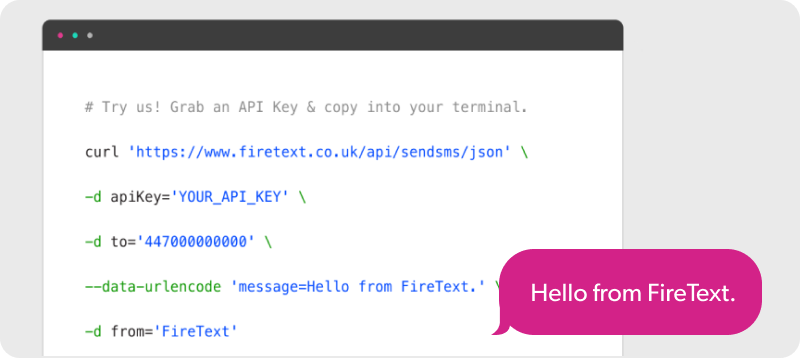
Not everyone does, but if you’re planning to integrate SMS into another system like a CRM, a booking platform, or your own app, then the quality of the API matters a lot. Good documentation, clear examples, responsive developer support, and a clean, logical structure will save your dev team significant time and frustration.
The tell is usually the documentation. If the API docs are sparse, outdated, or hard to navigate, that suggests the developer experience hasn’t been prioritised. That’s worth factoring in if this is going to be a significant integration.
Will anyone pick up the phone?
I know this sounds a bit old-fashioned, but is there a human on the other end? Not just a ticketing system with a 48-hour response window, but an actual person who knows SMS, knows the platform, and can help you work out what’s going on if you need help.
When we talk to businesses who’ve had bad experiences with SMS, it almost always comes down to delayed or little support from the SMS service provider when they need it. You only need to look at the provider reviews to get the real story.
A lot of providers in this space are quite hands-off once you’re signed up. That’s fine if everything runs smoothly. It’s less fine when you’re mid-campaign and something unexpected happens. Finding out what their support actually looks like – not the marketing version of it, but the day-to-day reality – is worth a quick conversation before you commit.
Are they honest about what you’re actually getting?
The best SMS service provider for your business is the one that delivers reliably, is transparent about pricing, doesn’t make you fight the platform, and has people behind it who actually help when you need it. The features matter, but they’re mostly table stakes at this point and most providers have them. The difference is in the quality of execution and whether you feel like a valued customer or just a seat on a pricing tier.
Take the time to try before you buy. Ask the questions that aren’t on the FAQ page. And don’t be swayed by the cheapest headline price.
While you’re searching for SMS service providers, try out FireText. We’ll happily answer all your questions!
